














NEW

Compare engineer costs by region with our live Price Calculator.

Open calculator

In-house feel, nearshore

Next.js Developers

Senior Next.js engineers working British hours. UK teams reach for it where search visibility matters, because pages arrive as HTML rather than waiting on JavaScript, which matters to Google and to the person waiting for the page.

  • Server rendering, routing and caching strategy
  • Headless CMS integration done properly before
  • Working your hours and embedded in your team
Hire Next.js Developers
Software engineer working at a dual-monitor dev workspaceAPI RoutesUI EngineeringAuth & RoutingDeployment ReadyPerformance Tuning
TRUSTED BY 300+ENGINEERING TEAMS

Virgin Experience Days
Salmon
Hotelplan
Willo
Travelex
Tidal
Scorpion
Vector
Virgin Experience Days
Salmon
Hotelplan
Willo
Travelex
Tidal
Scorpion
Vector
Ask our AI anything
Client onboarding call with a Cloud Employee engineer joining the team

Our service

Next.js engineers embedded in your UK team

Routing, caching and rendering strategy are where Next.js projects go wrong, and a strong React developer without that specific experience will usually get them wrong the first time. We scope how much of your app is server rendered before matching anyone.

  • Caching treated as the performance work it is
  • Comfortable on hosts other than the obvious one
  • Full-time engineers, never freelancers

Full-time engineers, never freelancers

Experts at every layer

  • Build SEO-optimized apps with server-side or static generation.
  • API RoutesCreate scalable backend endpoints directly inside Next.js.
  • Engineer reviewing code on screen
  • UI EngineeringPixel-perfect UI components built with React and Tailwind.
  • Development team collaborating in the office
  • Auth & RoutingSecure pages and custom route logic with NextAuth and middleware.
  • Deployment ReadySkilled in Vercel, Netlify, Docker and CI/CD setups.
  • Performance TuningImprove load speed, lighthouse scores and bundle optimization.

The alternative

Get speed, fit and in-house feel without the hiring grind.

Cloud EmployeeIn-house hiringDev agenciesFreelancers
Speed to hire-
Flexibility to scale-
Developer fit (embedded)-
Full-time, only for you--
No overhead or upfront fees--

Solid lime = yes · outline lime = partial · grey dash = no

Vetting

You see two people - not 200 CVs.

Engineers vet engineers

A senior engineer runs a live technical conversation on the candidate's real stack, not a recruiter working from a keyword list.

Live coding, not take-homes

Real problems solved in front of an assessor, with anti-cheating checks. You see how they actually work, not what they submitted overnight.

A full profile, not a CV

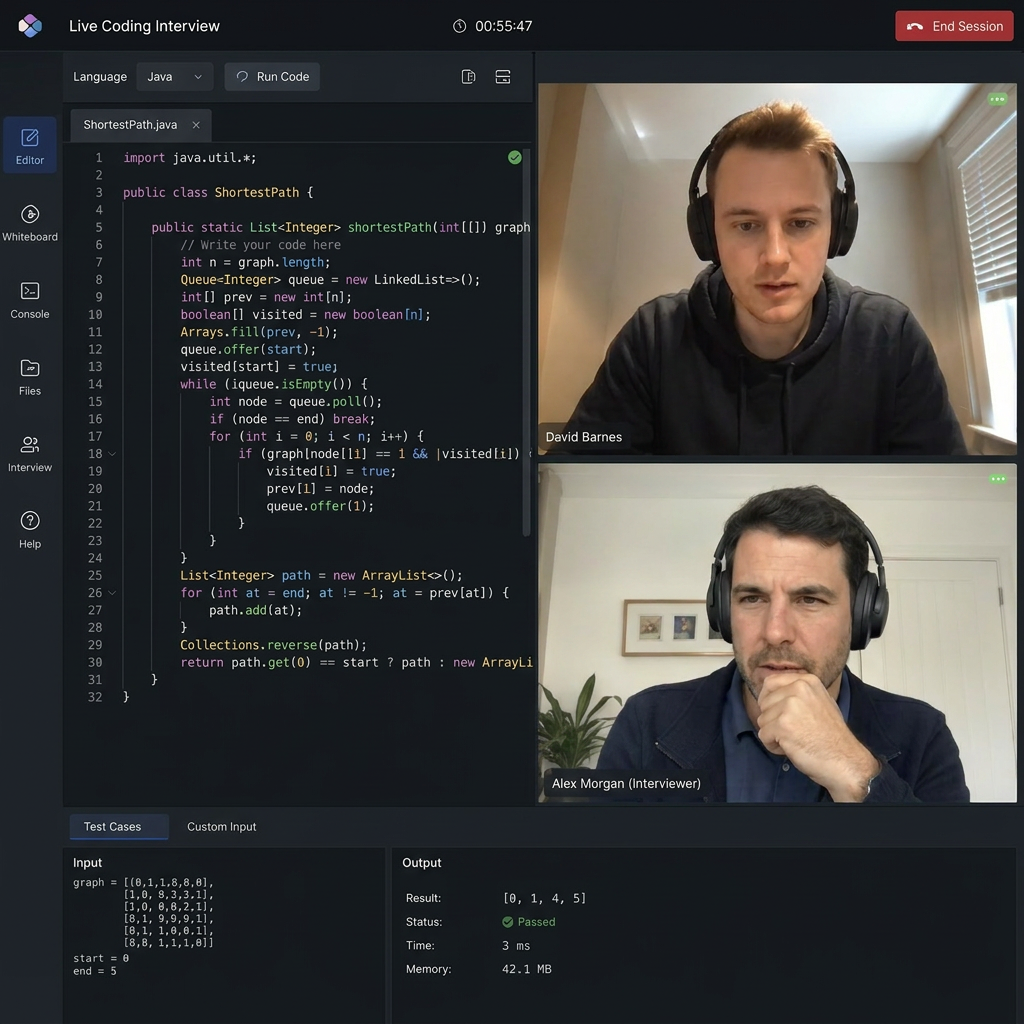
Every candidate arrives with a CV, interview summary, coding-test breakdown and rate in pounds. You decide on evidence.

Every tab is a stage a candidate has to clear. Six of them, all run by our own internal engineers at Cloud Employee, before you see a name.

  • Overview
  • CV
  • Tech interview
  • Coding test
  • Psychometric
  • Soft skills

Scored by people. We use AI to cross-check our own consistency - never to decide who reaches your shortlist.

Vetted senior software engineer candidate profile

Luka M.

Vetted

Senior Software Engineer · TypeScript · Python · Cloud · 6 yrs · Zagreb, Croatia (GMT+1)

£4,900/moAvailable in 2 weeks

Assessment

Six years in production Python, the last three on LLM systems - retrieval pipelines, eval suites, and agent tooling for UK fintech. Owns delivery end to end.

Coding test88%
Live interviewStrong
PsychometricTop 9%
Stack
Python · LangGraph
English
C1 fluent
Overlap
8 hrs UK
Notice
2 weeks

AI in practiceShips with Copilot and Claude Code daily, and rewrote 40% of the generated code in his observed task - the judgement is his, the tooling only makes him faster.

Career history

2023 - now

Senior AI Engineer

UK payments platform · 40-person product team

Built the retrieval assistant now resolving 30% of tier-1 tickets; owns its eval suite and guardrails.

2020 - 2023

Backend Engineer, Python

Travel booking SaaS · Zagreb

Moved fraud scoring onto a real-time feature pipeline; cut false declines by 18%.

2019 - 2020

Data Engineer

Agency · Python, Postgres, AWS

  • Python
  • FastAPI
  • LangGraph
  • pgvector
  • Evals & tracing
  • AWS
  • Docker

Technical interview

Assessed by Marco R., Principal Engineer

12 Jun 2026
55 min · live call

System design4 out of 5
Code quality5 out of 5
Debugging4 out of 5
Communication5 out of 5

"Walked me through an assistant that was quietly hallucinating refund policy, how he caught it in evals, and what he got wrong on the first fix. Hire-ready for a senior seat."

Live coding test

Repair a leaking retrieval pipeline

Python 3.12 · pytest · observed screen share

88
score

Tests passed
21 / 21
Time used
62 of 90 min
Anti-cheat flags
0

retrieval.py · submitted diff

- hits = index.query(q, k=50)+ hits = index.query(rewrite(q), k=50, filter=tenant)+ hits = rerank(hits, q)[:8]  # recall 0.62 -> 0.91+ assert_context_budget(hits, max_tokens=6000)

Psychometric · technical thinking

How he reasons under a real deadline - not a personality quiz.

Top 9%of engineers
we test

Abstract reasoning92
Problem decomposition88
Attention to detail90
Learning agility94
Risk awareness82
  • Systems thinker
  • Root cause over quick patch
  • Asks before assuming

A 45-minute reasoning test, scored against the 4,000+ engineers we have already placed. Our assessors do the marking - AI only flags where our own scoring looks inconsistent.

Soft skills · working with your team

Communication5 out of 5
Ownership5 out of 5
Collaboration4 out of 5
Takes feedback4 out of 5
Spoken English
C1 · assessed on call
References
2 of 2 verified

"He raised the payment edge case nobody else had spotted, in writing, two days before release."

Reference check · former tech lead, UK payments platform

This is what you receive - not a CV.

Ask our AI anything

Why Cloud Employee

Engineers who own the rendering decisions

The choices that make a Next.js site fast are made early and are expensive to unpick later, so keeping the engineer who made them is worth more than it looks. 97% stay beyond two years, at 50 to 75% less than hiring the same seniority in Britain.

  • Vetted on delivered sites rather than a CV
  • Working your hours and onboarded to your stack
  • Continuing support from our operations team
Long-tenure engineering team at work

More than developers

From hiring to retention we support your team end to end, with a UK-based account manager as your point of contact.

Fully supported

We handle the rest so your engineers can focus on building.

Engineer in a performance review sessionPerformance reviews
Team member handling payroll and compliancePayroll & compliance
Dual-monitor engineering workstation and equipmentEquipment
Engineering team in a modern office workspaceWorkspace
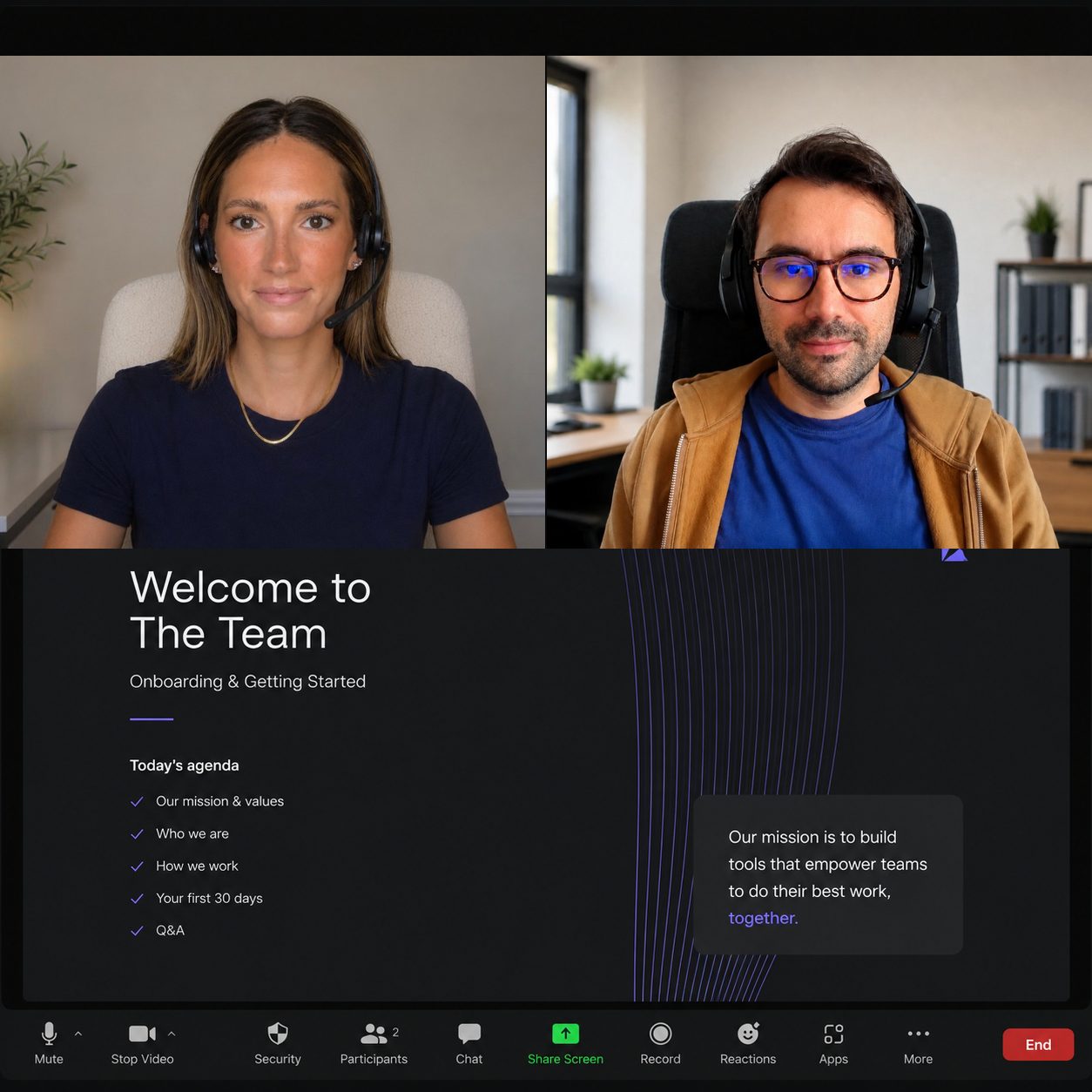
Molly and Daniel on a welcome-to-the-team onboarding call

In-house, without the friction

No upfront fees. No lock-in contracts.

  • No placement or upfront fees
  • Rolling 30-day contract, cancel anytime
  • One monthly rate, everything included

What role are you hiring for?

Pick one to start - you'll see matching engineers at the end.

  • 300+ teams built
  • 97% stay 2+ years
  • Replace if it isn't working

Got questions?

The questions CTOs and founders ask.

Can't find your question?

Ask our AI chatbot, trained on every sales call we've had.

Open chat

Expect to pay 50 to 75% less than an equivalent British hire when salary, employer national insurance, pension, recruitment fees and overheads are added up. Hiring a UK-based Next.js developer through us is perfectly possible. It is simply that the quality-to-cost ratio usually points to Eastern Europe, the Philippines or Latin America, with Eastern Europe suiting a British working day well. The aim is the strongest quality-to-cost ratio we can find, excellent engineers at a price that keeps working.

Next.js is the leading React framework, adding server rendering, routing, data fetching and build tooling to React so teams ship complete applications rather than assembling infrastructure themselves. Teams choose it because it collapses a dozen decisions into one dependable default, and because it spans a spectrum, from fully static marketing pages to heavily dynamic applications, within one codebase. Server components have pushed more work to the server, which done well means faster pages and less JavaScript shipped to users. The framework moves quickly, and its caching behaviour has a real learning curve.

Rendering judgement is the skill that matters most now, knowing what should be static, what should stream, what belongs on the client, and what each choice costs. Syntax and component patterns are exactly what AI assistants generate well, so they no longer separate candidates. What separates them is understanding the server-client boundary deeply enough to keep data fetching efficient, reasoning about caching rather than fighting it, and treating Core Web Vitals as an engineering budget instead of a report card.

Ask them to reason aloud about rendering strategy for a page you actually have, then keep asking why until the trade-offs surface. A strong candidate will ask about your data freshness, your traffic shape and your SEO needs before choosing, which is itself the signal. Useful follow-ups include what they would render on the client and why, and how they would find a slow page's real bottleneck. Pair on a small feature with their AI tooling switched on, and watch how they explain the server-client boundary.

Next.js developers are in heavy demand, because the framework has become the default way React applications get built commercially. Worth building on deserves nuance. For products where performance, SEO and rich interactivity all matter at once, it is the strongest option in the React world. For a purely static site the machinery is overkill, and for teams without React experience the learning curve is real. Assistants trained on oceans of React produce Next.js code fluently, but misplaced code fails subtly, which makes human architectural judgement more valuable.

Yes, all our developers work with AI tools, and in Next.js we care most about whether they can audit where generated code actually runs. The framework's server-client split is where plausible output goes wrong, a component that fetches on the client what belonged on the server, or leaks an environment secret, looks fine in a demo and hurts in production. Vetting assesses AI usage directly, we watch candidates generate, then see whether they interrogate data flow and caching before accepting anything.

Through a CTO-led process tuned for the way Next.js work actually fails, not a recruiter keyword scan. Candidates complete a technical assessment, a live pair programming session with a senior engineer, a cultural fit screen and a psychometric assessment we built for software engineers. In the pairing we look for rendering and caching reasoning and clear thinking at the server-client boundary, and we test how well each candidate works with AI tools. Our own funnel uses AI for screening and matching, with the decision made by humans every time.

You are typically interviewing matched candidates within 7 working days of a requirements call, and developers are often embedded and pushing code within about two weeks. From there it is a rolling monthly contract with 30 days' notice, one monthly fee, and no placement charges. You can scale up or down as the work changes, and you pay nothing to interview.

There is a two-week money-back guarantee, and if you want to continue we replace the developer free of charge. In practice this rarely comes up, because you interview a shortlist of two candidates who have already passed a CTO-led technical assessment and a live pair programming session, so the fit question is largely settled before anyone starts.

Proof, not promises

Hear from our customers

In their words

What the difference feels like