

















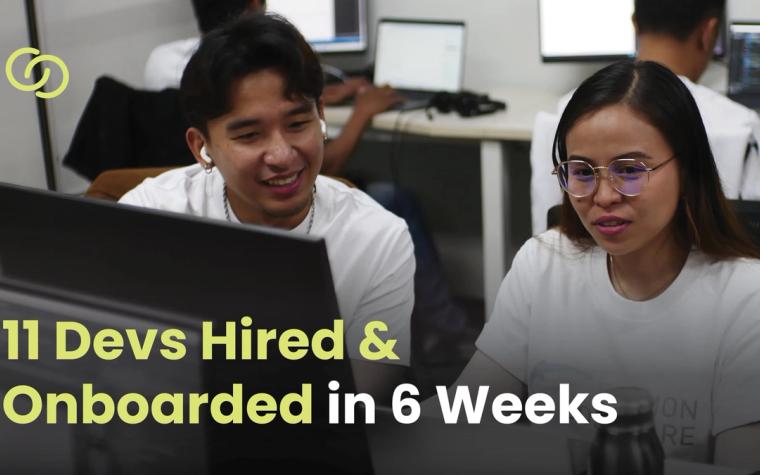
Our new developers were able to hit the ground running, we've worked with them for over two years now, and they are truly part of our team.
 Alison WhittleProduct Delivery Manager, BladeFS
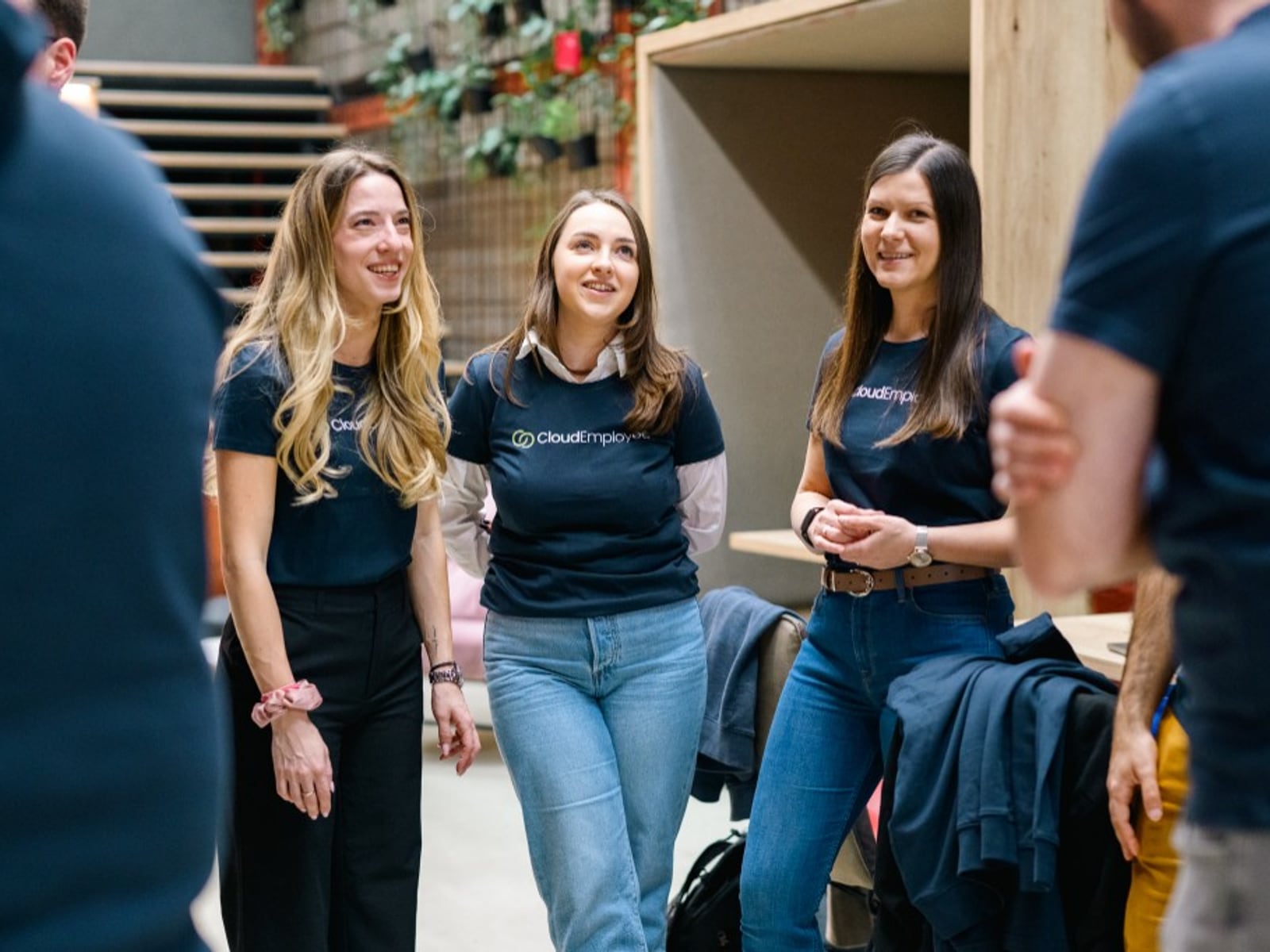
In-house feel, nearshore
Plenty of British firms have an AI pilot that impressed the board and never met a customer. We build the version that ships. Our engineers scope the use case, choose models on evidence rather than fashion, and deliver working software, all at 50 to 75% less than the equivalent London build team would cost once salaries and overheads are counted.
 OpenAILangChainPythonTypeScriptPinecone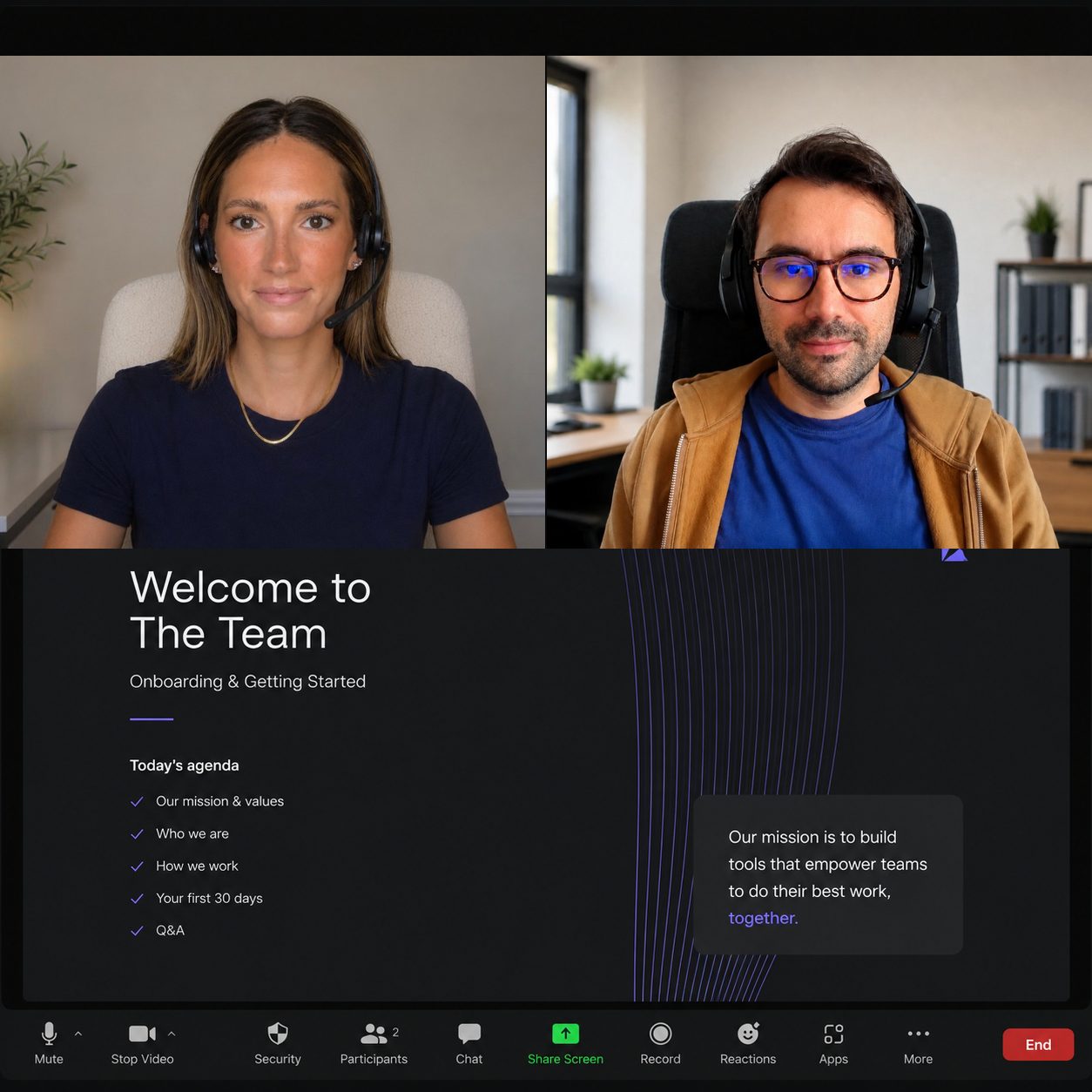
Our Service
The hard part of an AI product is no longer the model, it is the judgement around it. What to automate, what to keep human, what the failure mode costs. Our engineers are assessed on exactly that judgement, through CTO-led vetting and live pair programming, and we will tell you plainly when a feature does not need AI at all.
AI, Engineered for Delivery


Your AI Stack, Covered
Technology coverage
 OpenAI DevelopersLLM-powered product specialists
 LangChain DevelopersEmbedded LLM engineers
 Python DevelopersBackend, data, and automation specialists
 TypeScript DevelopersTyped safety meets modern JavaScript
 Pinecone DevelopersVector search specialists
 Vector DB DevelopersExperts in AI-native databases
 HuggingFace DevelopersNLP, transformers & model fine-tuning
 TensorFlow DevelopersML engineers that ship models
 FastAPI DevelopersHigh-speed backend APIs
 LlamaIndex DevelopersRAG app specialists
Vetting
A senior engineer runs a live technical conversation on the candidate's real stack, not a recruiter working from a keyword list.
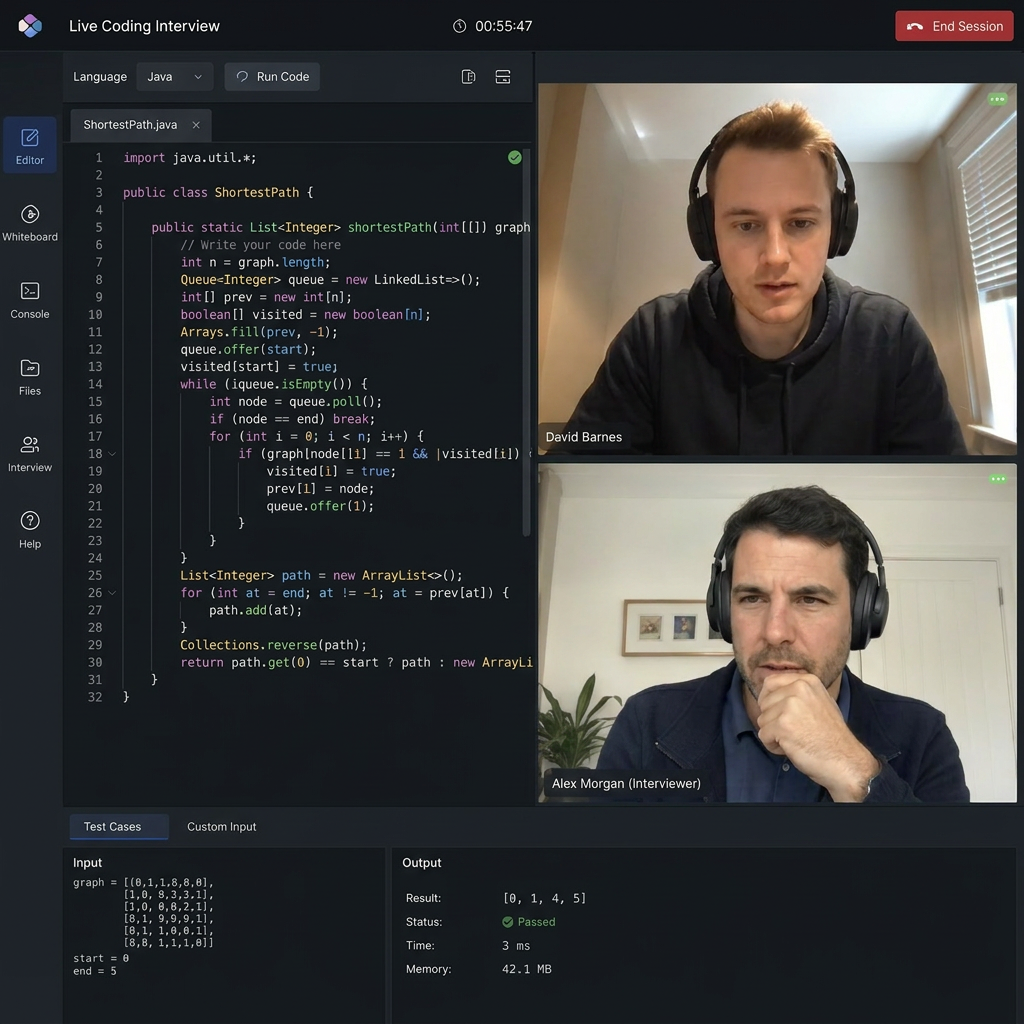
Real problems solved in front of an assessor, with anti-cheating checks. You see how they actually work, not what they submitted overnight.
Every candidate arrives with a CV, interview summary, coding-test breakdown and rate in pounds. You decide on evidence.
Every tab is a stage a candidate has to clear. Six of them, all run by our own internal engineers at Cloud Employee, before you see a name.
Scored by people. We use AI to cross-check our own consistency - never to decide who reaches your shortlist.
 ✓
✓Luka M.
VettedSenior AI Engineer · Python · LLM systems · RAG · 6 yrs · Zagreb, Croatia (GMT+1)
Assessment
Six years in production Python, the last three on LLM systems - retrieval pipelines, eval suites, and agent tooling for UK fintech. Owns delivery end to end.
AI in practiceShips with Copilot and Claude Code daily, and rewrote 40% of the generated code in his observed task - the judgement is his, the tooling only makes him faster.
Career history
Senior AI Engineer
UK payments platform · 40-person product team
Built the retrieval assistant now resolving 30% of tier-1 tickets; owns its eval suite and guardrails.
Backend Engineer, Python
Travel booking SaaS · Zagreb
Moved fraud scoring onto a real-time feature pipeline; cut false declines by 18%.
Data Engineer
Agency · Python, Postgres, AWS
Technical interview
Assessed by Marco R., Principal Engineer
12 Jun 2026
55 min · live call
"Walked me through an assistant that was quietly hallucinating refund policy, how he caught it in evals, and what he got wrong on the first fix. Hire-ready for a senior seat."
Live coding test
Repair a leaking retrieval pipeline
88
score
retrieval.py · submitted diff
- hits = index.query(q, k=50)+ hits = index.query(rewrite(q), k=50, filter=tenant)+ hits = rerank(hits, q)[:8] # recall 0.62 -> 0.91+ assert_context_budget(hits, max_tokens=6000)
Psychometric · technical thinking
How he reasons under a real deadline - not a personality quiz.
Top 9%of engineers
we test
A 45-minute reasoning test, scored against the 4,000+ engineers we have already placed. Our assessors do the marking - AI only flags where our own scoring looks inconsistent.
Soft skills · working with your team
"He raised the payment edge case nobody else had spotted, in writing, two days before release."
This is what you receive - not a CV.
Ask our AI anythingWhy Cloud Employee?
An AI build that ends at handover tends to decay quickly, because models drift and usage teaches you things the scoping could not. We stay on rolling monthly terms with 30 days notice, keep improving the product, and can embed the build team into your company full time when the product proves itself. A UK-based client success manager stays your point of contact throughout.

More than Engineers
Fully supported
 Performance reviews
 Payroll & complianceEquipment
 Workspace
In-house, without the friction
Ready to find your engineer?
Two matched engineers in 7 days. No fees, no obligation.
Optional. Search anything, and add it if it is not listed.
Popular right now
Got questions?
Proof, not promises
In their words
Our new developers were able to hit the ground running, we've worked with them for over two years now, and they are truly part of our team.
Alison WhittleProduct Delivery Manager, BladeFSWhat I love about Cloud Employee is that you have taken all of that hard work off my shoulders.
 Marcus KilgourCTO, Salmon Software
Working with Cloud Employee developers is great, because they're not afraid to push back. They're proactive, they're positive, and they feel like part of the team.
 Doran EskinaziHead of Engineering, Healthpointe
We actually hired the whole team remotely, having never met them. And we made a bunch of really good hires.
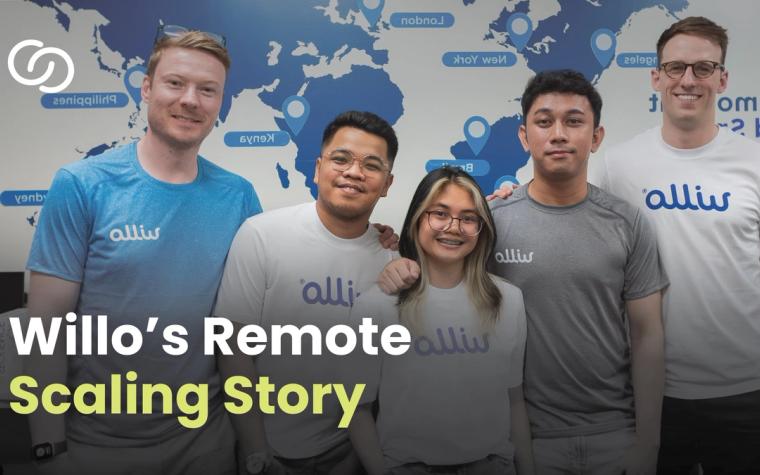
 Euan CameronCEO, Willo
Cloud Employee provides a level of professionalism, communication and support we haven't found elsewhere.
 Trevor SathorManaging Director, Square Eye
Working in tandem with Cloud Employee we have successfully released a major version of our main software product during a critical period for us.
 James StringerManaging Director, CleanLink